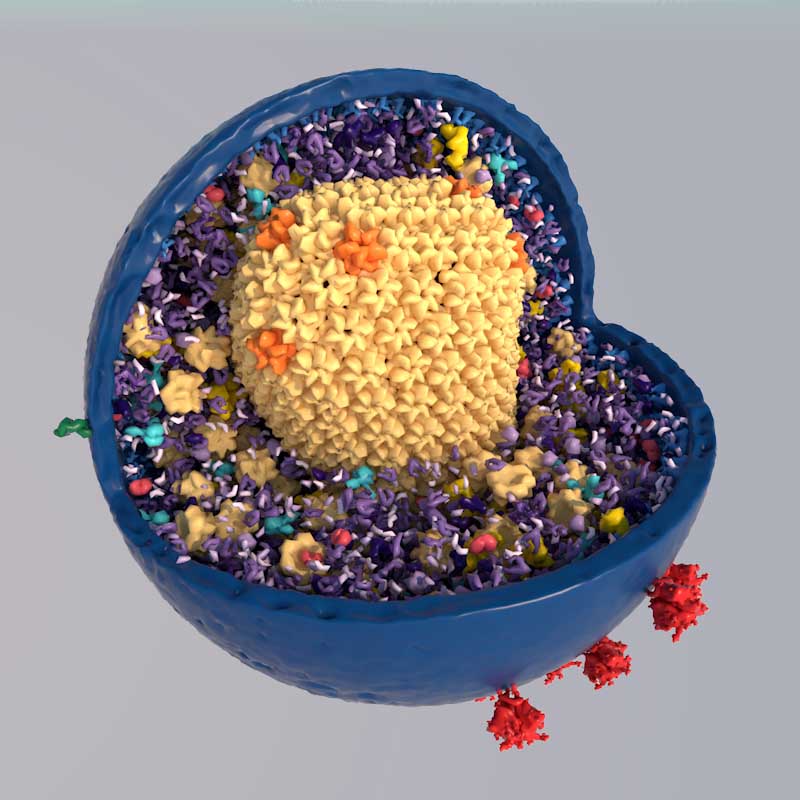
PathogenAR
Models from a mobile app describing infectious agents, developed by NIH/NIAID
Augmented reality (AR) technology combines a real-world view with computer-generated assets. AR devices range from high-end wearable headsets to smartphone-based applications that can be used with or without inexpensive stereoscopic viewer accessories. Our research and others' work has shown the potential to dramatically change biomedical research, education, and clinical practice by the use of AR. We were particularly interested in the potential for mobile AR apps with image-tracking-based interactivity as a convenient method for researchers and students to communicate and learn about structural and functional features of biomolecules and viruses.
We have developed PathogenAR as means to share mini stories or "Modules" about specific research and pathogen-related topics. Much of this research is happening within the National Institute for Allergy and Infectious Diseases.
This collection includes all models featured in PathogenAR. Several formats are available, including those used for Unity development. Not all are 3D-printable, so please read the descriptions carefully before choosing a file type.
Learn more about PathogenAR
This collection will be updated as new modules are released in the app.
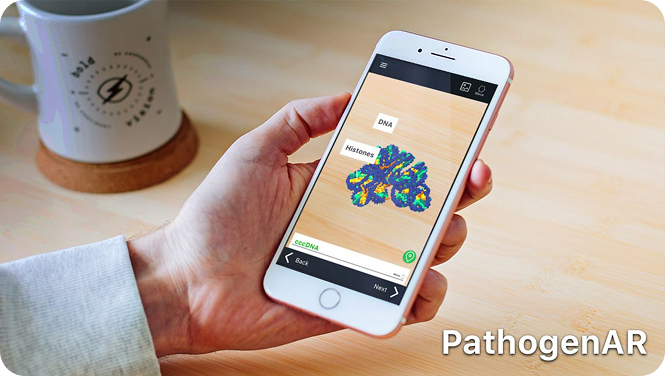
PathogenAR
Models from a mobile app describing infectious agents, developed by NIH/NIAID
Search Collection
Sub-Collections
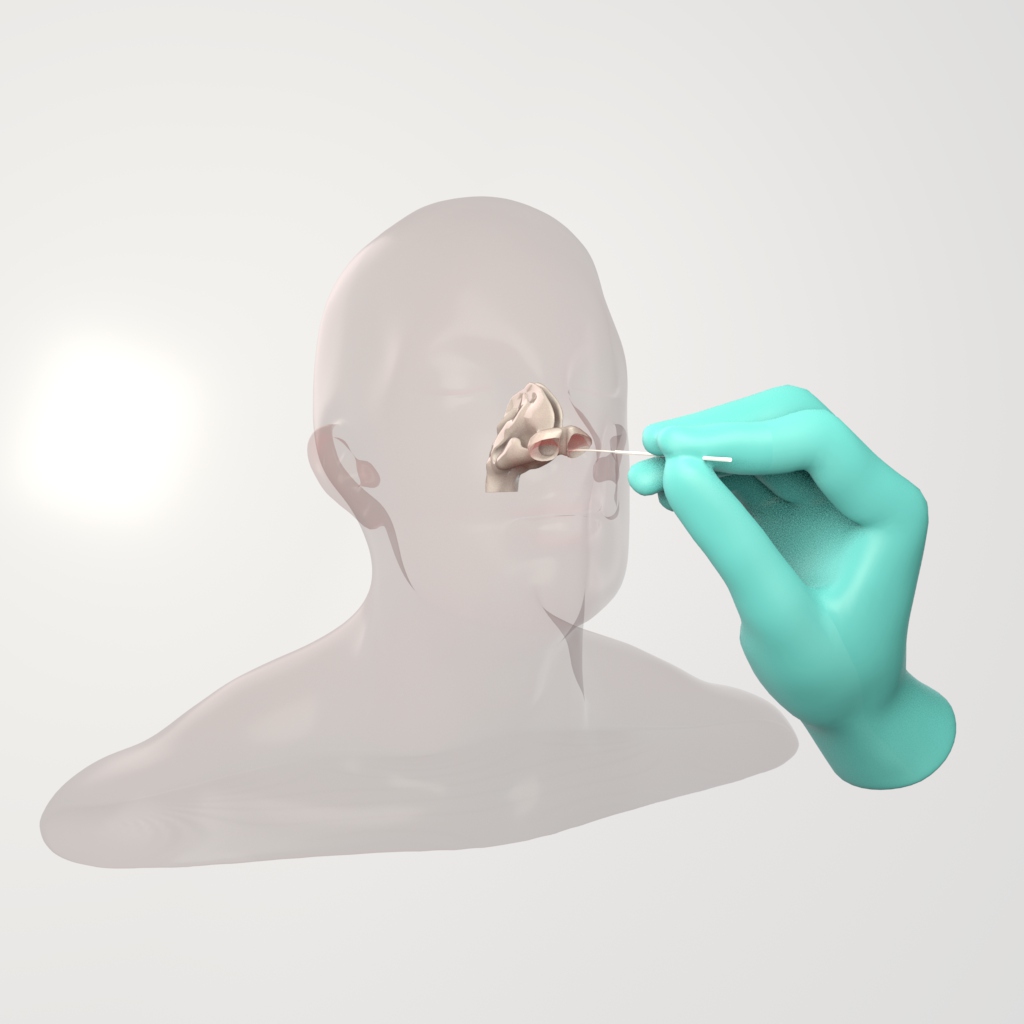
Nasopharyngeal Swabs: Anatomy of the Nasal Cavity
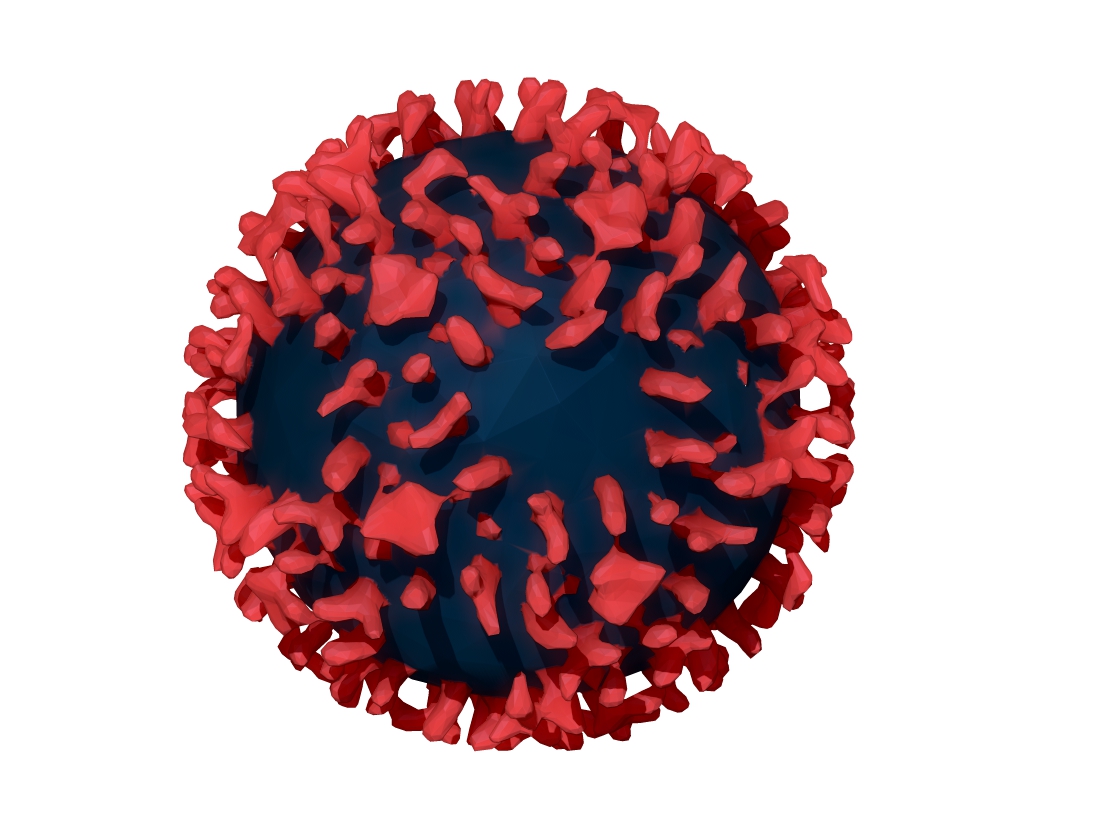
The Hepatitis B Life Cycle
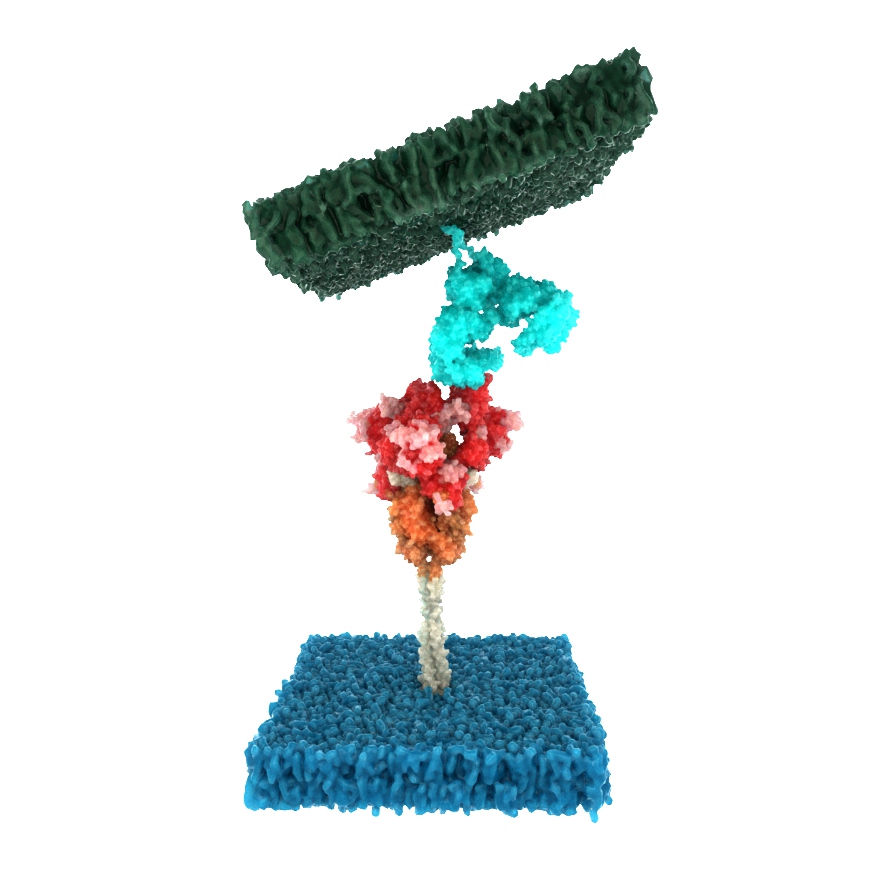
SARS-CoV-2
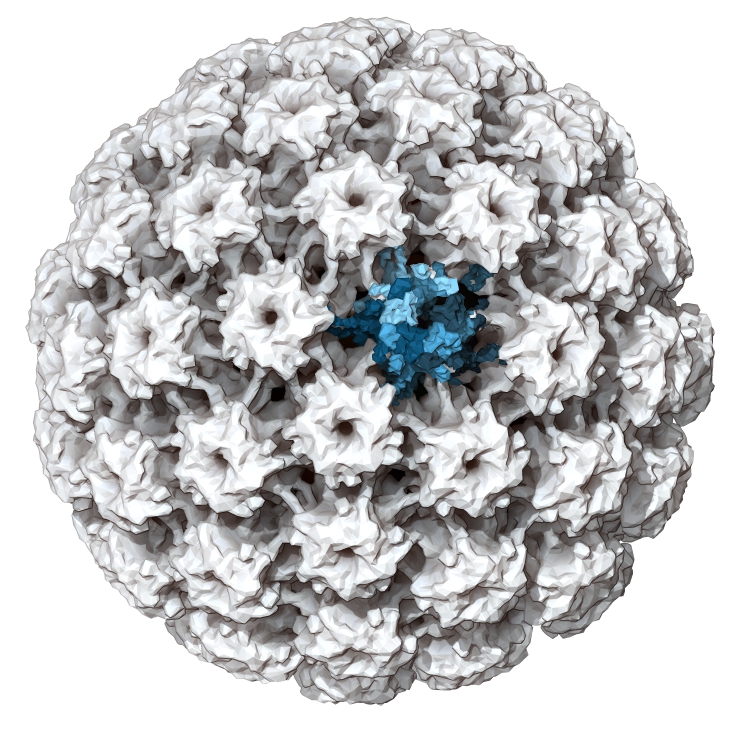
Human Papillomavirus Minichromosome
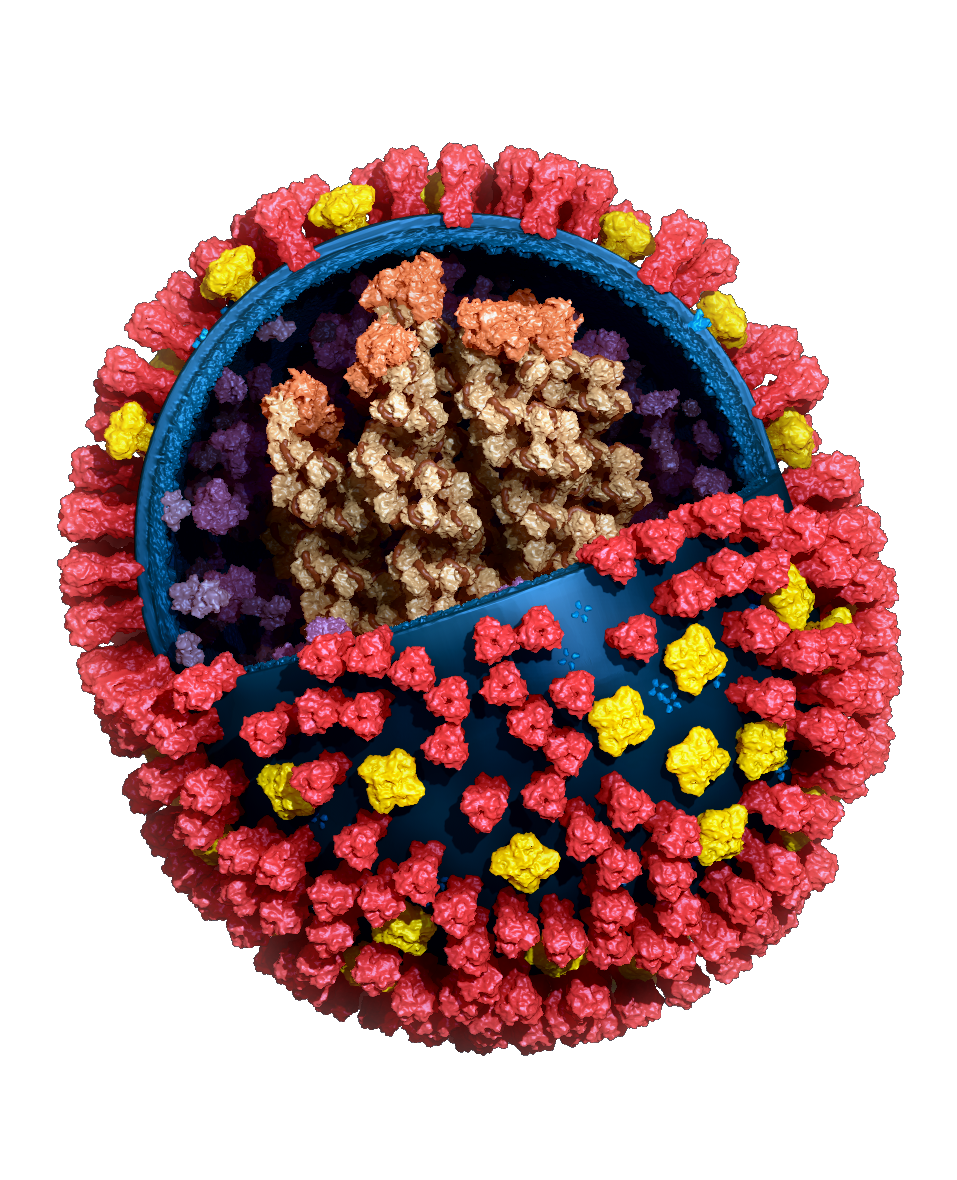
Universal Flu Vaccine